
Manual Lymphatic Drainage in Frankston: A Gentle Way to Support Swelling, Recovery and Immunity
Life asks a lot of your body. Long working days, travel, recovery from surgery or injury, seasonal sniffles and the everyday demands of a busy schedule can all leave you feeling heavy, puffy or a little run down. When that happens, sometimes the most helpful thing is not a deeper, firmer massage, but a lighter and slower one.
Manual lymphatic drainage, often shortened to MLD, is one of the gentlest treatments on the menu at Embodied Being in Frankston. It works with the body's natural drainage system rather than against tight muscles, using soft, light touch to encourage flow, ease swelling and support your overall sense of wellbeing. In this guide, we explain what MLD is, how a session works at our Frankston clinic, who it may suit and what you can expect before and after your treatment.
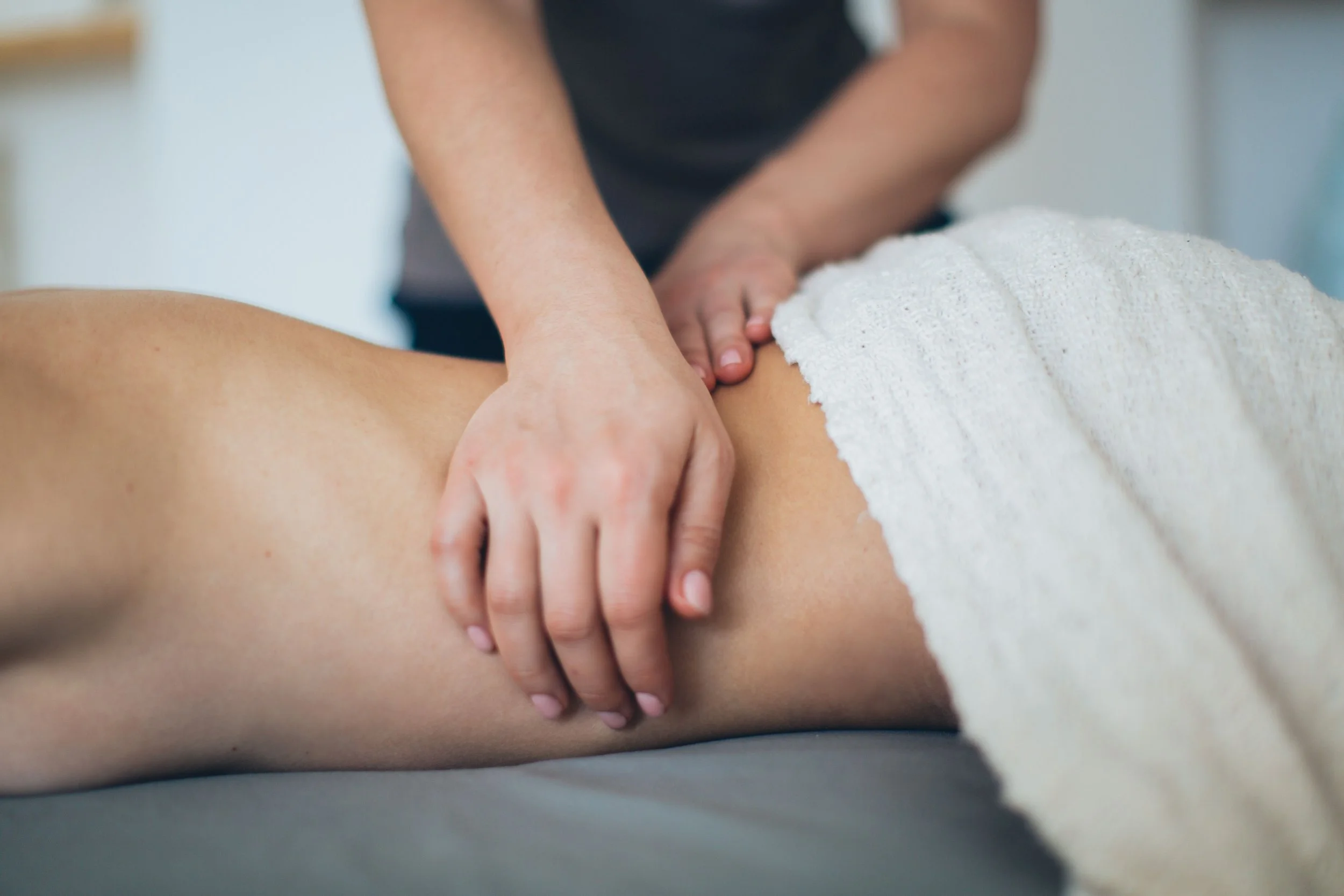
What Is Manual Lymphatic Drainage (MLD)?
Manual Lymphatic Drainage (MLD) is a specialised, gentle hands-on technique that supports the natural movement of lymph fluid through the body.
Unlike remedial or deep tissue massage, which use firmer, more targeted pressure to work with muscles and soft tissues, MLD uses very light, rhythmic and directional movements that follow the pathways of the lymphatic system.
The lymphatic system is an important part of the body's fluid balance and immune system. It helps return excess fluid from the tissues back into circulation and transports cellular waste and other substances through the lymphatic system.
When lymphatic flow is slower or disrupted, fluid can accumulate in the tissues, sometimes contributing to puffiness, swelling or a feeling of heaviness and congestion.
Manual Lymphatic Drainage — Vodder Method
At Embodied Being, our therapists are trained in the Vodder Method of Manual Lymphatic Drainage (MLD) — a specialised approach developed specifically to work with the body's lymphatic system.
Using light, rhythmic and precise movements on the skin, the technique follows the pathways of the lymphatic system. Rather than deep pressure or vigorous kneading, the Vodder Method uses gentle stretches, circles and pumping movements in a specific sequence.
Many people are surprised by how light the pressure is. If you are used to a strong remedial massage, MLD can feel very different. This gentle approach is intentional, as the lymphatic system and its vessels are located close to the surface of the body and the technique is designed to work with these superficial structures.
The Dr Vodder Method was developed by Danish physiotherapist Dr Emil Vodder and his wife, Estrid Vodder, in the 1930s. It is a structured, whole-body approach that recognises the interconnected nature of the lymphatic system, rather than simply focusing on an area of swelling.
The treatment can be deeply relaxing. Many people describe experiencing a sense of calm, lightness and spaciousness in their body during and after an MLD session.
It is an opportunity to slow down, receive nurturing touch and support your body's natural processes — creating space for rest, restoration and connection.
How Does the Lymphatic System Work?
The lymphatic system is a network of vessels, nodes and fluid that runs throughout the body, sitting alongside your circulatory system. While your heart pumps blood, the lymphatic system has no central pump of its own. Instead, it relies on movement, breathing and muscle activity to keep lymph fluid flowing.
Its main jobs include:
Clearing waste: It helps collect cellular waste and by-products and directs them toward the body's natural filtering and elimination pathways.
Managing fluid balance: It gathers excess fluid from the tissues and returns it to the bloodstream, which helps reduce swelling and puffiness.
Supporting immunity: Lymph nodes act as filtering stations that play a role in the body's immune response.
Because the system depends on movement to keep things flowing, periods of rest, illness, recovery or reduced activity can leave lymph moving more slowly than usual. This is where a gentle, hands-on treatment like MLD can offer helpful support.
What Happens During an MLD Session at Embodied Being
Begin with a conversation — your practitioner takes time to understand what is bringing you in and what your body may need on the day.
Comfort and privacy — you are positioned comfortably on the treatment table, with towels and linens used to keep you warm and supported.
Gentle, rhythmic touch — light, precise movements follow the natural pathways of the lymphatic system.
Very light pressure — MLD feels quite different from remedial or deep tissue massage. The gentle touch is intentional.
A whole-body approach — treatment may begin away from the area you are wanting to address, following the interconnected pathways of the lymphatic system.
Time to slow down — the rhythmic nature of MLD can encourage deep relaxation and a sense of calm.
Simply receive — there is nothing you need to do. Breathe naturally, settle in and allow yourself to rest.
After your treatment — you may experience a sense of lightness, calm or spaciousness. Your practitioner may offer personalised suggestions for supporting your wellbeing afterwards.
Who Might Benefit from Lymphatic Drainage Massage?
MLD is a versatile treatment that can support a wide range of people. It may be worth considering if any of the following resonate with you.
Post-Surgery and Injury Recovery
Recovery is a process, and gentle support can make a real difference to how you feel along the way. MLD is often chosen by people recovering from surgery or injury, where swelling and fluid retention are common. The light, rhythmic technique is designed to encourage fluid movement and support the body's natural recovery process. Always follow the advice of your surgeon or treating practitioner about timing, and let your therapist know the details of your procedure.
Swelling and Fluid Retention
If you experience puffiness or heaviness in the legs, ankles or feet, particularly after long periods of sitting, standing or travel, MLD may help. The treatment is designed to reduce swelling and support healthy fluid balance, leaving many clients feeling lighter and more comfortable.
Immune Support and Detoxification
Because the lymphatic system plays a role in immunity and in clearing cellular waste, MLD can be a supportive choice for those focused on general wellbeing, or for anyone following a detoxification-style program. It is a gentle, nourishing way to help your body do what it already does naturally.
A Gentle Approach to Wellbeing
MLD isn't only about swelling. Its slow, rhythmic and nurturing nature can make it a beautiful treatment for anyone seeking a quieter form of bodywork.
It may appeal if you:
prefer gentle rather than deep pressure
feel drawn to slower, more nurturing treatments
experience sensitivity to stronger forms of massage
are looking to support relaxation and nervous system regulation
experience a sense of heaviness or fluid retention
want to reconnect with your body and create space to rest
are looking for a complementary treatment alongside your broader health and wellbeing care
MLD is not suitable for everyone, and some medical conditions require additional assessment or medical clearance before treatment. Your practitioner will discuss your health history with you before your session to ensure the treatment is appropriate.
The Benefits of Choosing MLD as Part of Your Routine
While every body is different and results vary from person to person, clients often choose manual lymphatic drainage because it can help:
Reduce swelling and puffiness, particularly in the limbs.
Support recovery after surgery, injury or periods of reduced movement.
Encourage healthy fluid balance throughout the body.
Support immune function as part of a broader wellbeing routine.
Calm the nervous system, thanks to its slow and gentle pace.
Promote a lighter, more comfortable feeling in the body.
Rather than a one-off fix, many clients find MLD works best as part of a regular self-care rhythm, alongside movement, hydration and rest.
What to Expect Before and After Your Session
A little preparation and some simple aftercare can help you get the most from your treatment.
Before your session:
Arrive well hydrated where possible, and try to avoid a heavy meal immediately beforehand.
Wear comfortable clothing and give yourself a few extra minutes so you can arrive without rushing.
Come ready to share any relevant health information, recent procedures or areas of concern with your practitioner.
After your session:
Drink plenty of water to support your body as fluid moves and settles.
Give yourself some gentle time and avoid intense exercise straight afterwards if you can.
Rest, breathe and enjoy the calm, unhurried feeling that often follows an MLD treatment.
Why Choose Embodied Being in Frankston
Embodied Being is a boutique wellness sanctuary set in a quiet residential area of Frankston. We offer hands-on, holistic treatments that thoughtfully combine Western science with Eastern traditions, with a focus on understanding each client and supporting their individual health journey.
Our clinic is centrally located to serve Frankston and the wider Mornington Peninsula, warmly welcoming clients from surrounding suburbs including Seaford, Carrum Downs, Langwarrin, Skye, Patterson Lake, Karingal, Frankston South and Frankston North. Whether you are recovering, managing swelling or simply seeking a calmer, more balanced body, our experienced practitioners are here to help you feel your best.
Frequently Asked Questions
Q: What does manual lymphatic drainage feel like?
A: It feels very gentle. MLD uses light, rhythmic touch rather than firm pressure, so it is much softer than a remedial or deep tissue massage. Most clients find it deeply relaxing and calming.
Q: How is MLD different from a regular massage?
A: A regular remedial or deep tissue massage works into the muscles with firmer pressure to release tension. MLD works with the lymphatic system near the surface of the skin, using light, directional movements to encourage fluid flow and reduce swelling.
Q: How many sessions will I need?
A: This depends on your individual needs and goals. Some people book a single session for relaxation or after travel, while others include MLD as part of an ongoing recovery or wellbeing routine. Your practitioner can suggest a rhythm that suits you after your assessment.
Q: Is lymphatic drainage massage safe during pregnancy?
A: MLD is not recommended during pregnancy. This treatment follows a specific sequence that includes techniques to support lymph movement through the body, which may not be suitable during pregnancy. If you are pregnant and looking for gentle support, a pregnancy or relaxation massage may be a more appropriate option.
Q: Can I have an MLD treatment after surgery?
A: It depends on the type of surgery and how your body is healing. After surgery, your body needs time to repair and recover. MLD may be appropriate as part of post-operative care for some procedures, particularly where swelling or fluid accumulation is present, but the timing needs to be considered on an individual basis.
At Embodied Being, we generally prefer to wait until the surgical wound has adequately healed before commencing MLD, and we recommend that you have clearance from your surgeon or treating practitioner where appropriate. As a general guide, this may mean waiting around 6 weeks after surgery, although the appropriate timing can be shorter or longer depending on the procedure and your individual recovery.
Before your treatment, please let your practitioner know:
what procedure you have had
when the surgery took place
how your recovery is progressing
whether you have experienced any complications
whether your surgeon or medical practitioner has given you any specific post-operative instructions.
Your safety and recovery come first. If there is any uncertainty about whether MLD is appropriate for you, we will recommend that you seek advice from your treating medical practitioner before treatment.
Q: Do I need to do anything special afterwards?
A: The main thing is to sip water throughout the day, rest and avoid intense exercise straight after your session. This simple aftercare helps your body as fluid moves and settles.
Q: Do you serve areas outside Frankston?
A: Yes. Our Frankston clinic welcomes clients from across the Mornington Peninsula, including Seaford, Carrum Downs, Langwarrin, Skye, Patterson Lake, Karingal, Frankston South and Frankston North.
Final Thoughts
Manual lymphatic drainage is a gentle, restorative treatment that supports one of the body's quietest but most important systems. Whether you are recovering from surgery, managing swelling, supporting your immune health or simply craving a slow and soothing reset, MLD offers a calm and considered way to help your body feel lighter and more at ease.
If you are looking for lymphatic drainage massage in Frankston, the caring team at Embodied Being would love to support you. Every session is tailored to your needs and delivered at a slow, nurturing pace in our peaceful clinic.
Ready to feel lighter and more balanced? Book your manual lymphatic drainage session with Embodied Being in Frankston today, and take a gentle step toward supporting your body's natural flow.