
Can Massage Help With Lower Back Pain? What You Need to Know
Lower back pain is one of the most common physical concerns affecting people of all ages. It can develop from daily habits, prolonged sitting, physical activity, muscle tension, injuries or repetitive movements. When discomfort becomes ongoing, it can affect mobility, work, exercise and overall quality of life.
Massage therapy, particularly remedial massage, is a popular treatment option for people looking to manage lower back discomfort and improve movement. By focusing on muscles, soft tissues and areas of tension, a qualified remedial massage therapist can create a personalised approach to support pain relief and recovery.
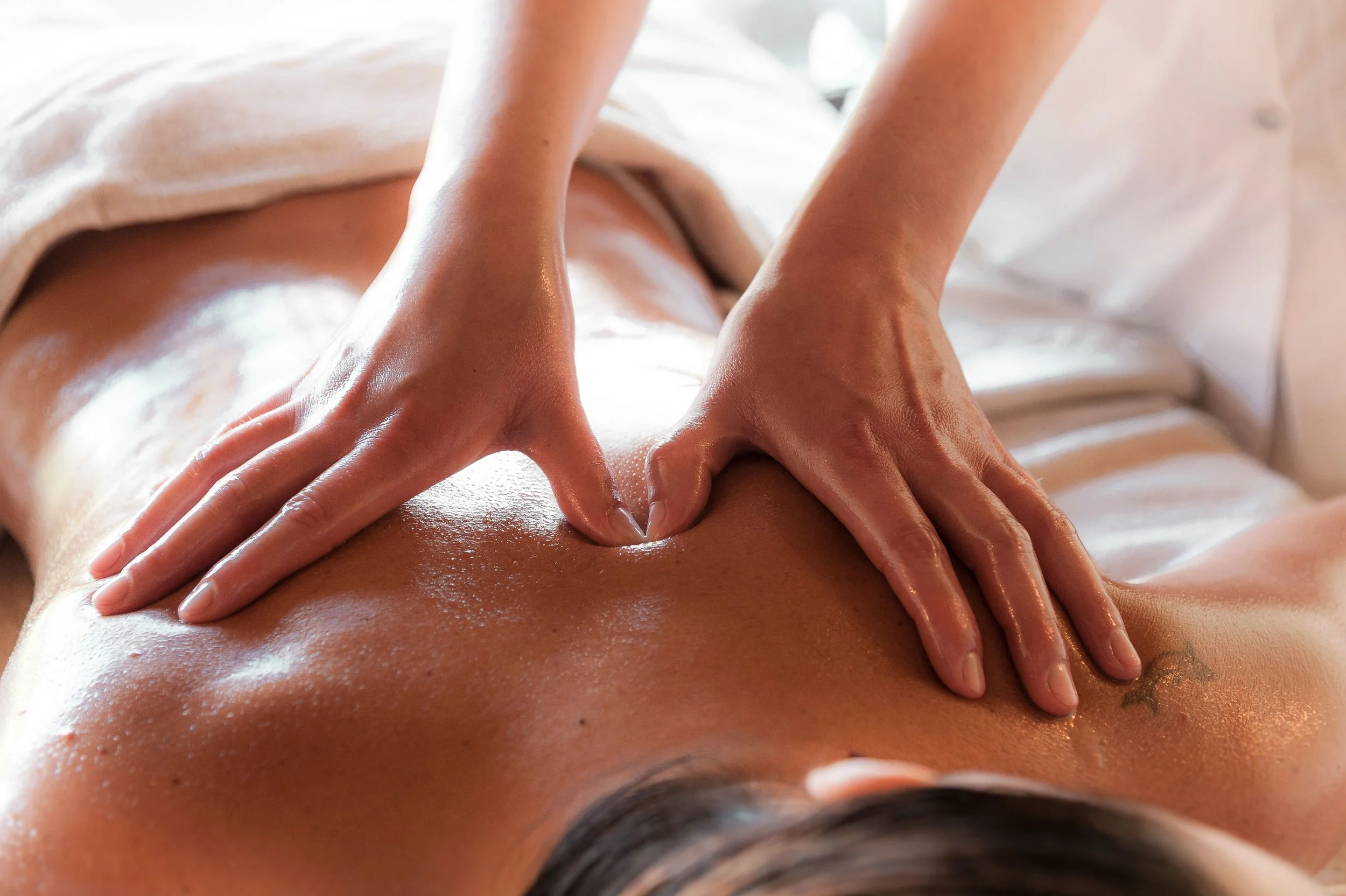
At Embodied Being, massage therapy focuses on understanding the body as a whole and addressing the underlying causes of discomfort rather than only treating symptoms. Through techniques such as remedial massage, myofascial release and trigger point therapy, treatment can help support relaxation, mobility and improved physical function.
What Causes Lower Back Pain?
Lower back pain can occur for many different reasons. Some people experience occasional discomfort after physical activity, while others deal with ongoing muscle tension or chronic pain.
Common causes of lower back pain include:
Muscle tightness or strain
Poor posture and prolonged sitting
Repetitive movements at work or during exercise
Reduced flexibility and mobility
Sports-related injuries
Tension caused by stress and daily activities
Overuse of certain muscle groups
The lower back works together with the hips, pelvis, legs and core muscles to support movement and stability. When one area becomes tight or overloaded, surrounding muscles may compensate, creating further tension and discomfort.
Understanding these contributing factors is important when choosing an appropriate treatment approach. A personalised massage therapy session can help identify areas of tension and support better movement patterns.
How Can Remedial Massage Help With Lower Back Pain?
Remedial massage is a targeted form of massage therapy designed to address muscle tension, soft tissue restrictions and areas contributing to discomfort. Unlike general relaxation massage, remedial massage focuses on specific concerns and may involve techniques selected based on individual needs.
For people experiencing lower back pain, remedial massage may help by:
Reducing Muscle Tension
Tight muscles around the lower back, hips and surrounding areas can contribute to discomfort and restricted movement. Massage techniques can help release areas of tension, allowing muscles to relax and move more freely.
Many people seek massage for muscle pain because targeted treatment can support relaxation and improve comfort after periods of physical strain or stress.
Supporting Improved Mobility
Muscle stiffness can make everyday movements feel difficult, including bending, walking, exercising or sitting comfortably. Massage therapy can help support flexibility by addressing tight areas that may limit movement.
Improved mobility is an important part of maintaining physical wellbeing, especially for people who experience recurring muscle tension.
Helping With Muscle Recovery
Physical activity, work demands and repetitive movements can place stress on muscles. Massage for injury recovery is commonly used as part of a broader recovery approach to support muscle relaxation and return to normal movement.
A remedial massage therapist can focus on areas affected by overuse, helping support the body's natural recovery processes.
Remedial Massage Techniques That May Support Lower Back Pain Relief
Different massage techniques may be used depending on the individual's concerns, lifestyle and treatment goals.
Myofascial Release Massage
Myofascial release massage focuses on the fascia, the connective tissue surrounding muscles and other structures in the body. Restrictions within this tissue may contribute to stiffness and reduced movement.
By working with areas of tightness, myofascial release techniques may help improve flexibility and support comfortable movement.
Trigger Point Therapy
Trigger point therapy targets areas of tight muscle fibres that may contribute to referred discomfort in other areas of the body.
For example, tension within muscles around the lower back, hips or glutes may contribute to discomfort experienced in nearby areas. Addressing these points can help reduce muscle tightness and improve overall function.
Therapeutic Massage
Therapeutic massage combines different Eastern and Western techniques to support physical wellbeing. It may include approaches designed to address muscle tension, improve relaxation and encourage better movement.
This type of treatment is often personalised based on the client's needs and goals.
Massage for Chronic Lower Back Pain and Ongoing Muscle Tension
For people experiencing ongoing discomfort, finding ways to manage lower back pain is often a long-term process. While massage therapy may not be suitable as the only approach for every condition, it can form part of a broader wellness plan.
Massage for chronic pain may help support people experiencing:
Persistent muscle tightness
Reduced mobility
Ongoing discomfort caused by muscular tension
Stress-related physical tension
Challenges maintaining flexibility
Regular treatment combined with healthy movement habits, appropriate exercise and professional advice can help support long-term wellbeing.
Can Massage Help With Back Pain Caused by Stress?
Stress does not only affect mental wellbeing. It can also contribute to physical tension throughout the body. Many people hold stress in areas such as the neck, shoulders, upper back and lower back.
Massage for stress relief may help encourage relaxation by reducing muscle tension and supporting a sense of calm.
The benefits of massage therapy can include:
Supporting relaxation
Helping reduce feelings of physical tension
Encouraging body awareness
Supporting overall wellbeing
A holistic approach considers how lifestyle, movement patterns and daily stress may influence physical discomfort.
Remedial Massage vs Relaxation Massage for Lower Back Pain
Both remedial massage and relaxation massage can support wellbeing, but they have different focuses.
Remedial Massage
Remedial massage is generally more targeted and focuses on specific areas of concern, such as:
Lower back pain
Muscle tension
Restricted movement
Injury recovery
Chronic discomfort
Relaxation Massage
Relaxation massage focuses more on calming the nervous system, reducing general tension and promoting relaxation.
While relaxation massage may be beneficial for stress and wellbeing, people experiencing specific muscular concerns may benefit from a more targeted remedial approach.
How to Choose a Massage Therapist for Lower Back Pain
Choosing the right massage therapist is important when seeking support for lower back discomfort.
Consider looking for a therapist who:
Takes time to understand your concerns
Provides personalised treatment
Understands different massage techniques
Considers your lifestyle and movement patterns
Creates a treatment plan suited to your needs
A skilled remedial massage therapist will assess your concerns and recommend suitable techniques based on your individual situation.
Supporting Your Lower Back Between Massage Treatments
Massage therapy can be supported by healthy daily habits that encourage mobility and muscle health.
Helpful strategies may include:
Maintaining regular movement throughout the day
Taking breaks from prolonged sitting
Practising gentle stretching
Staying active within your comfort level
Maintaining good posture during daily activities
Listening to your body's signals
Small lifestyle adjustments can make a significant difference when managing muscle tension and supporting overall wellbeing.
Frequently Asked Questions About Massage for Lower Back Pain
Q: Can massage help relieve lower back pain?
A: Massage therapy may help support relief from lower back pain by reducing muscle tension, improving relaxation and supporting mobility. A qualified remedial massage therapist can assess areas of tightness and use targeted techniques to address muscular discomfort.
Q: What type of massage is best for lower back pain?
A: Remedial massage is often used for lower back pain because it focuses on specific areas of tension, restricted movement and muscle discomfort. Techniques such as myofascial release massage and trigger point therapy may also be incorporated depending on individual needs.
Q: How often should I get a massage for lower back pain?
A: The frequency of massage therapy depends on the cause and severity of your discomfort, your lifestyle and your treatment goals. Some people may benefit from regular sessions to help manage muscle tension, while others may seek treatment when symptoms increase. A massage therapist can recommend an approach based on your individual situation.
Q: Can massage help with tight muscles in the lower back?
A: Yes, massage therapy may help reduce tight muscles by encouraging relaxation and improving soft tissue mobility. Treatments focused on muscle tension can support greater comfort and flexibility, especially for people experiencing stiffness caused by posture, physical activity or daily stress.
Q: Is remedial massage suitable for chronic lower back pain?
A: Remedial massage may support people experiencing chronic lower back pain by addressing muscle tension and improving movement. However, ongoing pain should always be assessed appropriately, and massage therapy can be used alongside other recommended approaches to support overall wellbeing.
Q: What is the difference between remedial massage and relaxation massage for back pain?
A: Remedial massage focuses on addressing specific muscular concerns, including pain, tension and mobility restrictions. Relaxation massage is generally designed to promote relaxation and reduce general stress. The most suitable option depends on your personal goals and the cause of your discomfort.
Final Thoughts: Can Massage Help With Lower Back Pain?
Massage therapy can be a valuable option for people looking to support lower back pain relief, improve mobility and manage muscle tension. Through techniques such as remedial massage, myofascial release massage and trigger point therapy, treatment can focus on areas contributing to discomfort while supporting better movement.
At Embodied Being, every treatment is tailored to the individual. Whether you are experiencing lower back pain, tight muscles, chronic discomfort or reduced flexibility, a personalised massage approach can help support your wellbeing goals.
If lower back pain is affecting your daily life, speaking with a qualified massage therapist can be an important step towards understanding your body and finding suitable support.